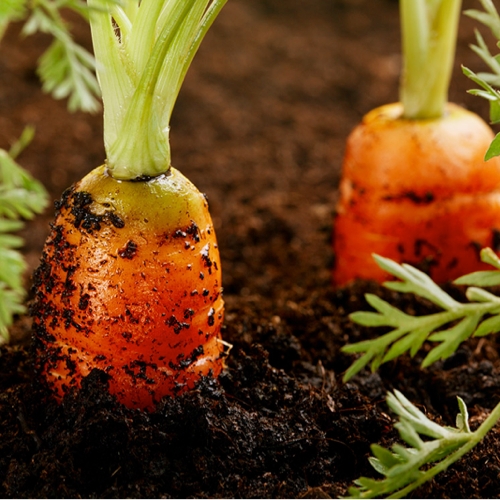
John Innes Compost

John Innes Compost No.1, 2 & 3
John Innes composts are loam-based recipes with sand or grit and fertiliser, with different nutrient levels for different growing stages.
Traditional recipes contain peat. Choose from the current products below, including clearly labelled peat-free composts with added John Innes.
Buy John Innes Compost
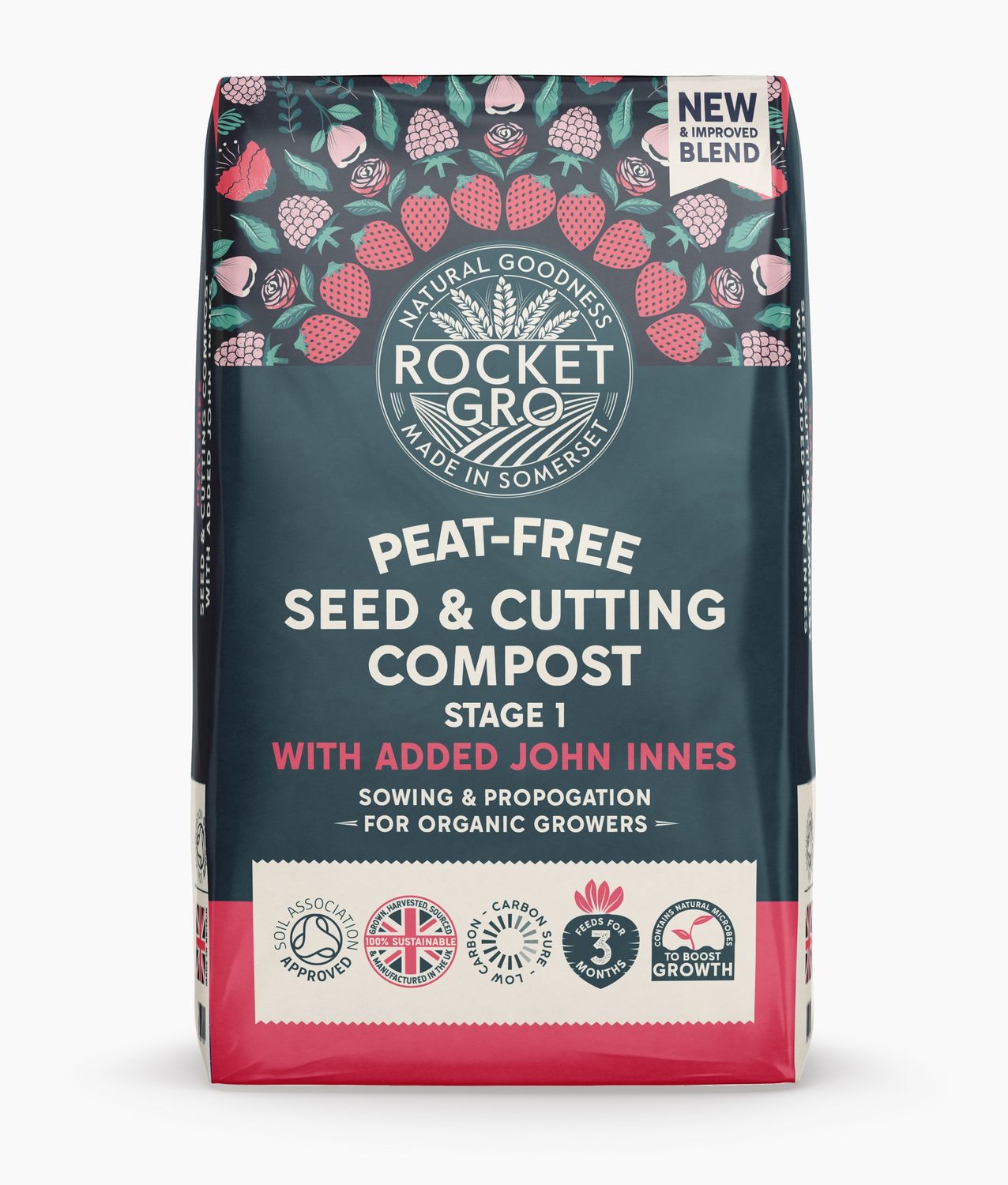
Seed & cutting compost with John Innes
Peat-free compost with added John Innes for seeds, cuttings and young plants.
View seed & cutting compost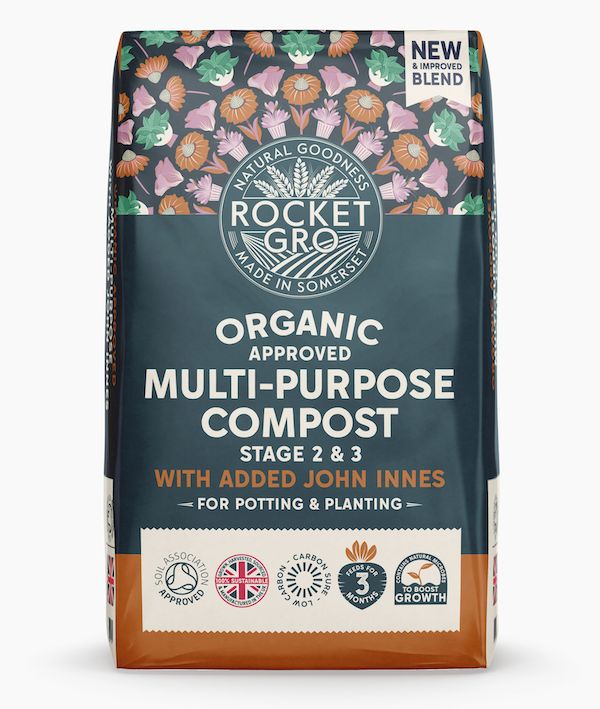
Multi-purpose compost with John Innes 2 & 3
Peat-free multi-purpose compost for stages 2 & 3. One product, not separate No.2 and No.3 recipes.
View multi-purpose compost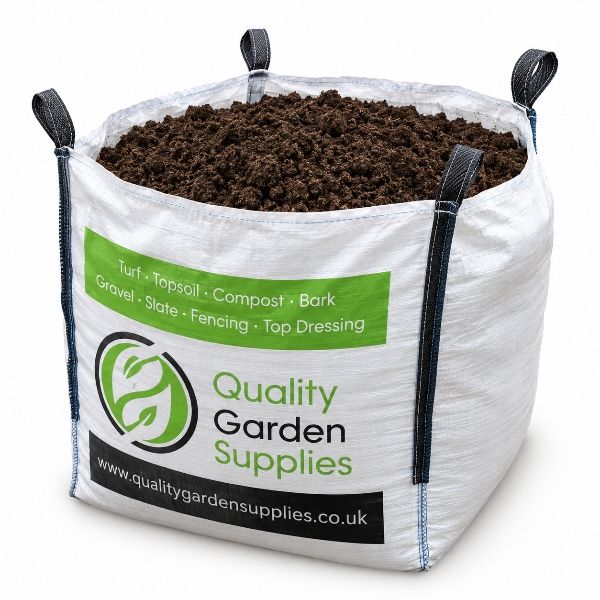
John Innes No.3 Professional Compost
Traditional loam-based John Innes No.3 for mature plants and final potting. View the bulk-bag option.
View No.3 ProfessionalWhat do we use it for?
About this guide: The ingredient and No.1, No.2 and No.3 descriptions below explain traditional John Innes recipes. They are not ingredient lists for the peat-free composts with added John Innes shown above. Check the individual product page for its current formulation and pack options.
The main purposes for John Innes are; sowing of seeds and rooting cuttings, large seed sowing, pricking out, potting up, final potting and mature plants. All of the John Innes products, simply offer a different level of nutrients to boost initial growth all the way until the final result. Our most popular compost, John Innes no3 compost is a rich mixture that is intended for final potting or for the re-potting of mature plants. If you want a general potting compost for everyday use, then John Innes no2 compost is perfect. John Innes no2 has excellent soil structure, and includes sand which promotes drainage and provides stability for larger plants. A perfect everyday compost.
What is in John Innes Compost?
Loam - Loam is the most important ingredient in all John Innes compost, supplying the main body of the compost. The loam supplies the nutrition needed for the base of the plant, which helps to absorb and release plant nutrients as required. The loam also contains micro-elements and organic matter, which provides a slow release of Nitrogen to the plant.
Peat - Sphagnum Moss Peat in the John Innes Compost increases the total porosity and improves both the aeration and the water-retaining capacity. Peat decomposes slowly into humus.
Sand - The coarse sand or grit is used as a physical conditioner to allow excess water to drain from the compost and thus prevent water-logging. It also helps to provide stability for larger plants.
Fertilser - The compound fertiliser in John Innes Compost provides a wide spectrum of plant nutrients needed for balanced growth, including :- Nitrogen (for top growth Phosphates - for root growth) - Potash (for flowering and fruiting & Trace Elements for optimal growth, colour and flavor.
***Nutrients are typically sufficient for 1-2 months of growing, after which time additional proprietary feed should be given***
What are the different types of John Innes used for?
Traditional John Innes recipes contain limestone, hoof and horn meal, superphosphate and potassium sulphate. Modern peat-free products may use different ingredients; check the product description.
John Innes Compost No 1
For pricking out or potting-up young seedlings or rooted cuttings. This compost has a carefully balanced nutrient content to suit most young plants and allow them to grow. This John Innes compost is perfect for a young garden to make it thrive!
John Innes No 2 Compost
For general potting of most house plants and vegetable plants into medium size pots or boxes. John Innes no2 contains double the amount of nutrients found in John Innes No 1 to suit established plants. John Innes no 2 compost is the perfect everyday compost for your garden to ensure they are well nourished and well supported.
John Innes No 3 Compost
This is a richer mixture for final re-potting of gross feeding vegetable plants, and for mature foliage plant. Also shrubs and interior planters, or outdoor containers. This extra-rich blend of sandy loam, peat and fertiliser make John Innes no 3 compost a perfect addition to plants that have been well-established in your house or garden. We offer quick delivery on all of our John Innes compost products. For more information on compost delivery or to see how you can buy John Innes composts in bulk, contact us today.
Read more …John Innes Compost